
AI tools are no longer just “nice to have” for marketers. In 2026, they’ve become part of the actual workflow — from content ideation and SEO research to video scripting, ad copy, design generation, and customer engagement.
But here’s the problem:
Most marketers are overwhelmed by the number of AI tools launching every week.
Some are genuinely useful. Others are just another ChatGPT wrapper with a fancy landing page.
So instead of listing 50 random tools, this guide focuses on the AI platforms that are actually helping content marketers, agencies, creators, and brands produce better work faster.
1. ChatGPT

The All-in-One Content Assistant
If there’s one AI tool that completely changed content marketing, it’s probably OpenAI’s ChatGPT.
In 2026, marketers are using it for:
- Blog writing
- SEO outlines
- Ad copy
- Email campaigns
- Content calendars
- Scriptwriting
- Market research
- AI image generation
- Strategy brainstorming
The biggest advantage isn’t just speed. It’s versatility.
You can use ChatGPT like:
- a copywriter,
- strategist,
- creative assistant,
- researcher,
- or even a content planner.
The newest versions also support image generation, file analysis, and workflow automation, making it much more than a chatbot now. (OpenAI Help Center)
Best Use Cases
- Generating blog drafts
- Creating Instagram captions
- Writing ad hooks
- Brainstorming campaign ideas
- Repurposing long-form content into short-form posts
2. Claude
Best for Long-Form Human-Like Writing
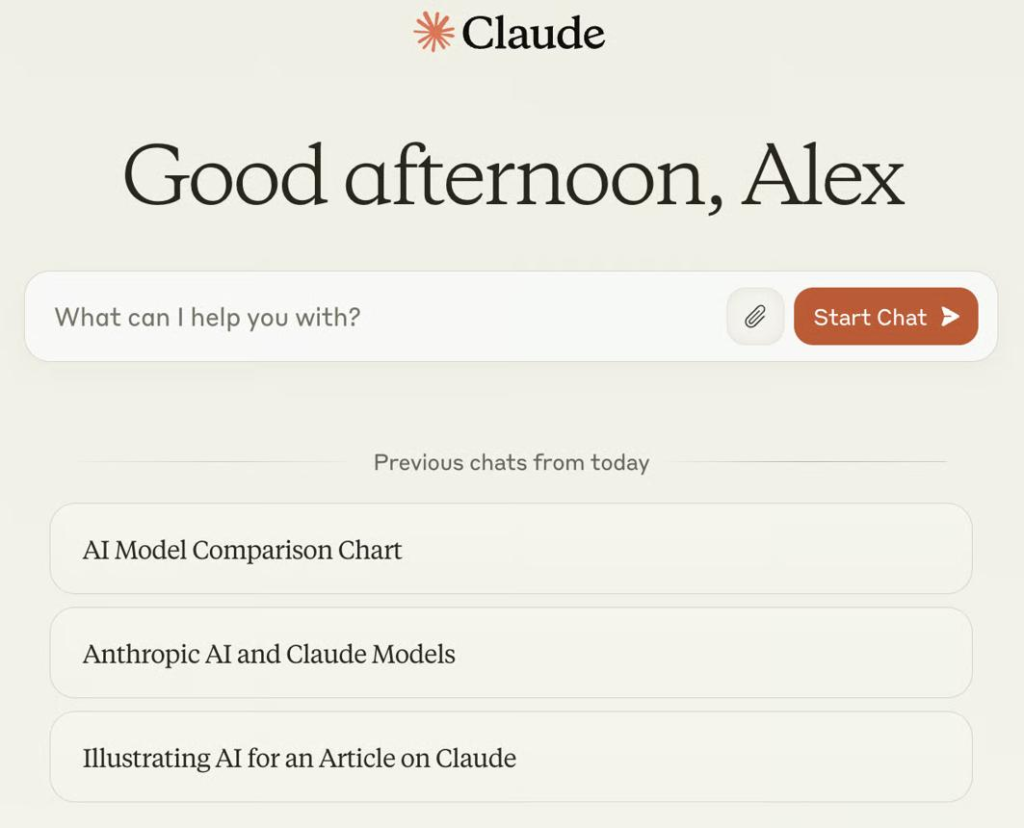
Anthropic’s Claude has become a favorite among writers and marketers who want content that feels more natural and less robotic.
Compared to many AI tools, Claude tends to produce:
- smoother writing,
- stronger structure,
- and more human-sounding tone.
A lot of agencies now use ChatGPT for ideation and Claude for polishing long-form articles.
Claude is especially strong for:
- storytelling,
- brand voice writing,
- content strategy documents,
- and detailed blog posts. (Claude Help Center)
Best Use Cases
- Blog articles
- Brand storytelling
- Thought leadership posts
- Content rewriting
- Tone refinement
3. Canva
Best AI Tool for Visual Content
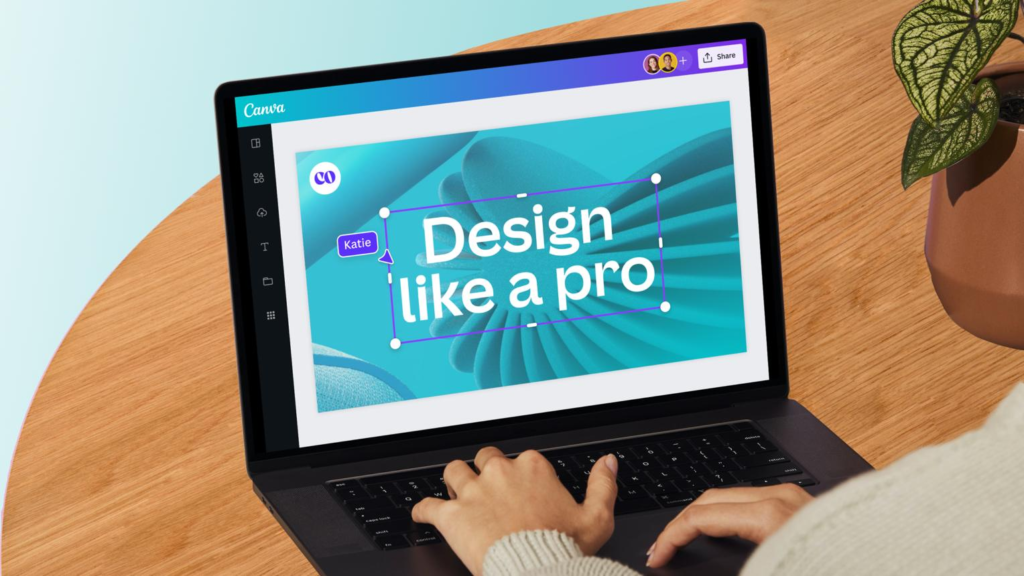
Canva quietly became one of the most powerful AI marketing tools available.
For marketers who aren’t full-time designers, Canva AI makes it ridiculously easy to create:
- social posts,
- presentations,
- ads,
- thumbnails,
- carousels,
- and branded content.
Its AI features now include:
- text-to-image,
- automatic resizing,
- AI copy generation,
- background editing,
- and presentation generation.
For agencies handling multiple clients, Canva is one of the fastest production tools available.
Best Use Cases
- Instagram carousels
- Restaurant promos
- Presentation design
- Ad creatives
- Brand templates
4. Notion
Best for Content Planning & Workflow
Most content teams struggle more with organization than creativity.
That’s where Notion AI becomes valuable.
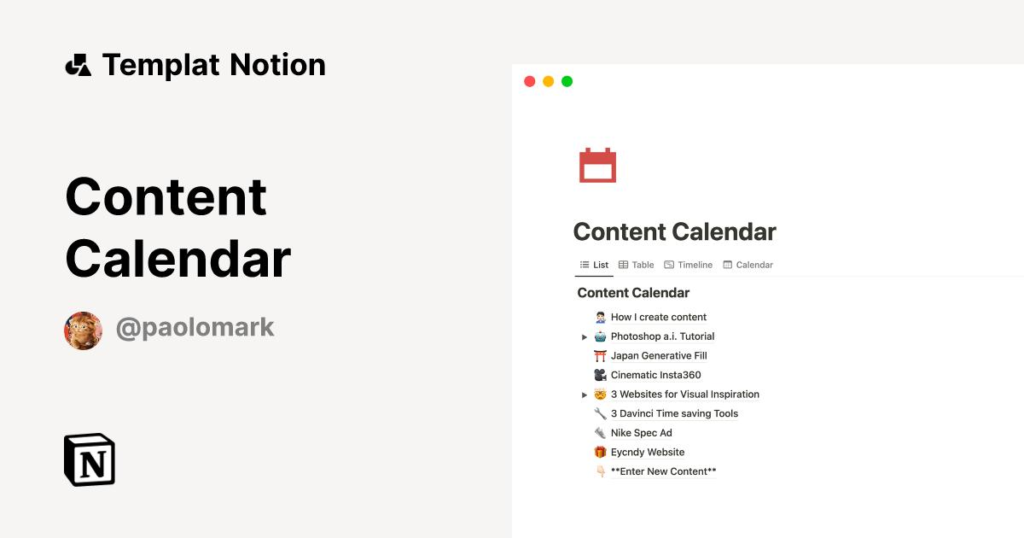
Instead of jumping between documents, spreadsheets, and project tools, teams use Notion AI to:
- manage content calendars,
- summarize meetings,
- generate outlines,
- store brand assets,
- and organize campaigns.
It’s less flashy than other AI tools — but incredibly useful for daily marketing operations.
Best Use Cases
- Content planning
- Team collaboration
- Marketing SOPs
- Campaign tracking
- Idea organization
5. Midjourney

Best for Premium AI Visuals
AI-generated visuals are becoming a major part of content marketing — especially for lifestyle, fashion, food, and luxury brands.
Midjourney remains one of the strongest tools for cinematic, aesthetic, and premium-looking AI visuals.
Many agencies now use it for:
- concept generation,
- campaign moodboards,
- social creatives,
- and ad direction.
The output quality still feels more artistic compared to most AI image generators.
Best Use Cases
- Luxury brand campaigns
- Moodboards
- Creative direction
- Food brand concepts
- AI-assisted advertising
6. CapCut
Best AI Tool for Short-Form Video
Short-form video still dominates social media in 2026.
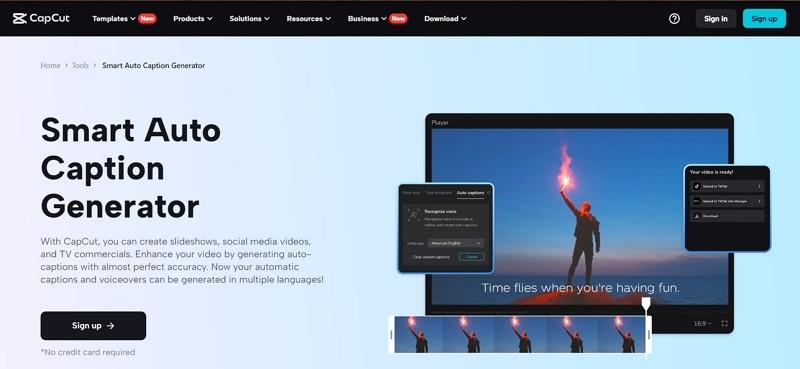
And CapCut has become the go-to editing tool for fast content production.
Its AI features now include:
- auto captions,
- AI cuts,
- script-to-video,
- voiceovers,
- and trend-based templates.
For brands posting daily Reels or TikToks, this tool saves a massive amount of editing time.
Best Use Cases
- Instagram Reels
- TikTok videos
- Food promos
- Podcast clips
- Fast social edits
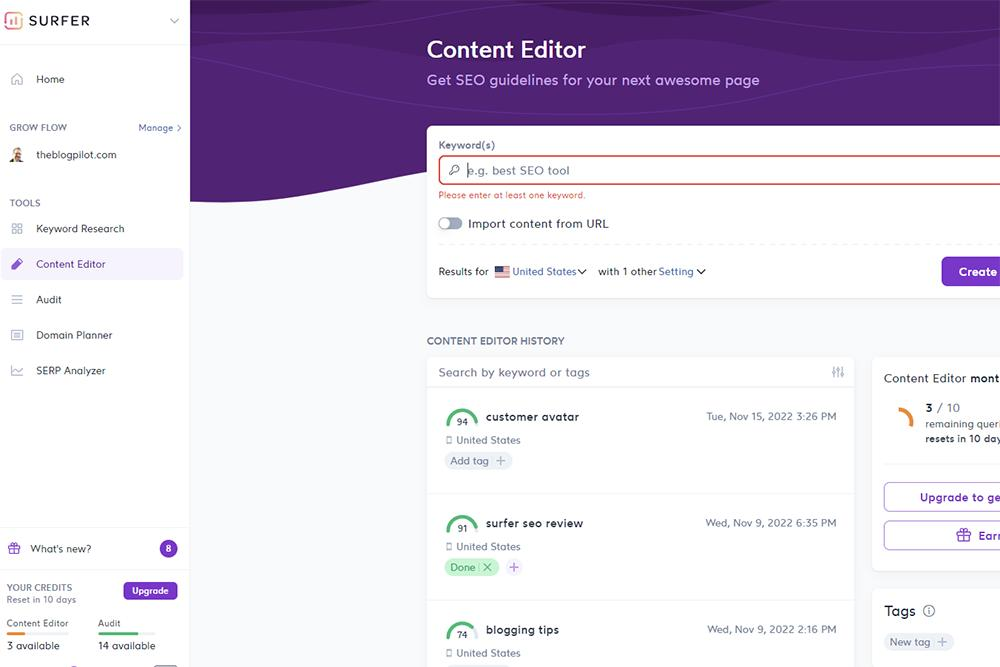
7. Surfer SEO
Best AI SEO Optimization Tool
Publishing content isn’t enough anymore.
If your blog isn’t optimized properly, it probably won’t rank.
Surfer SEO helps marketers optimize articles using:
- keyword analysis,
- search intent,
- NLP suggestions,
- and competitor data.
It’s especially useful when combined with AI writing tools like ChatGPT or Claude.
Best Use Cases
- Blog optimization
- SEO writing
- Keyword targeting
- Content scoring
- Search ranking improvements
Our Thoughts
AI tools are changing content marketing fast — but the best marketers aren’t using AI to replace creativity.
They’re using AI to:
- speed up workflows,
- improve consistency,
- test more ideas,
- and spend more time on strategy.
The smartest setup in 2026 usually looks something like this:
- ChatGPT → Ideation & drafting
- Claude → Refining & polishing
- Canva/Midjourney → Visuals
- CapCut → Video content
- Surfer SEO → Optimization
- Notion AI → Workflow management
That combination can easily replace hours of repetitive production work every week.
And honestly, the agencies adapting fastest right now aren’t necessarily the biggest ones.
They’re the ones learning how to combine creativity with AI efficiently.